Game Board
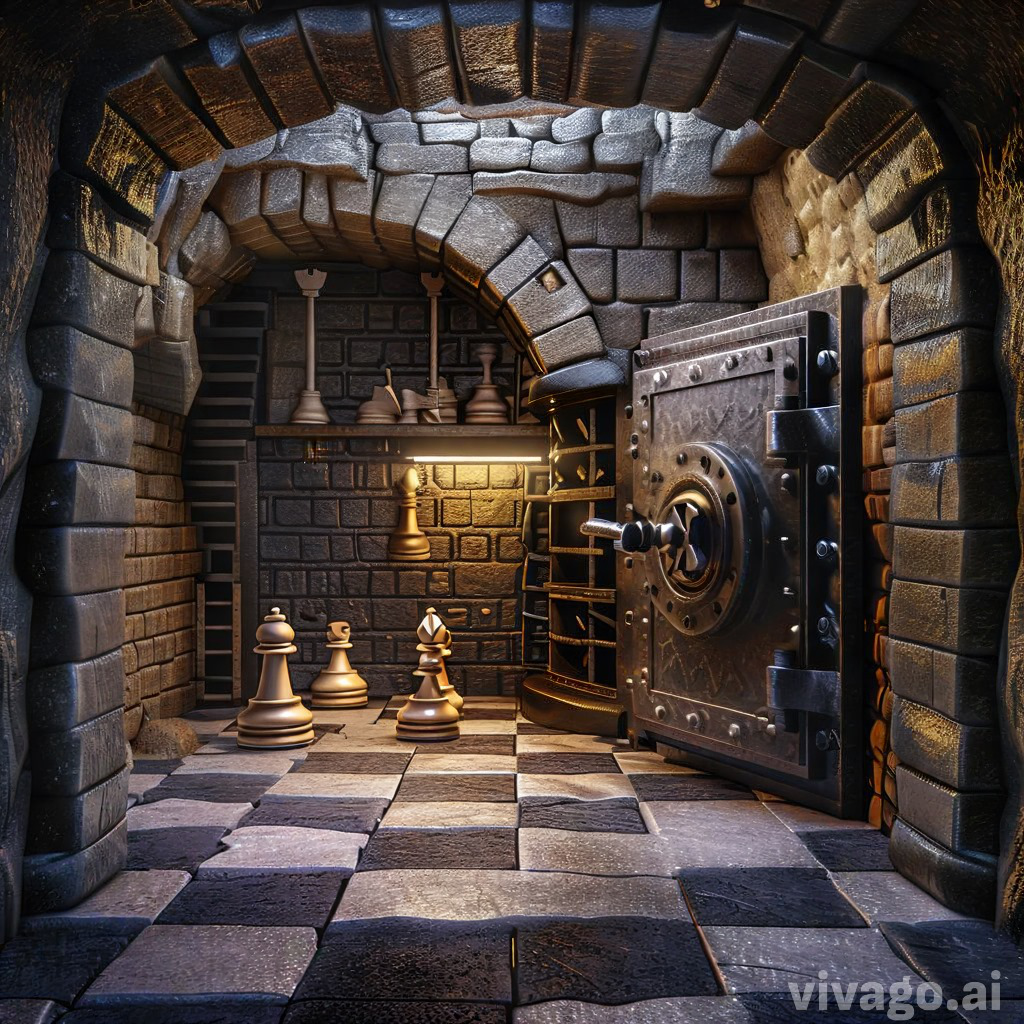
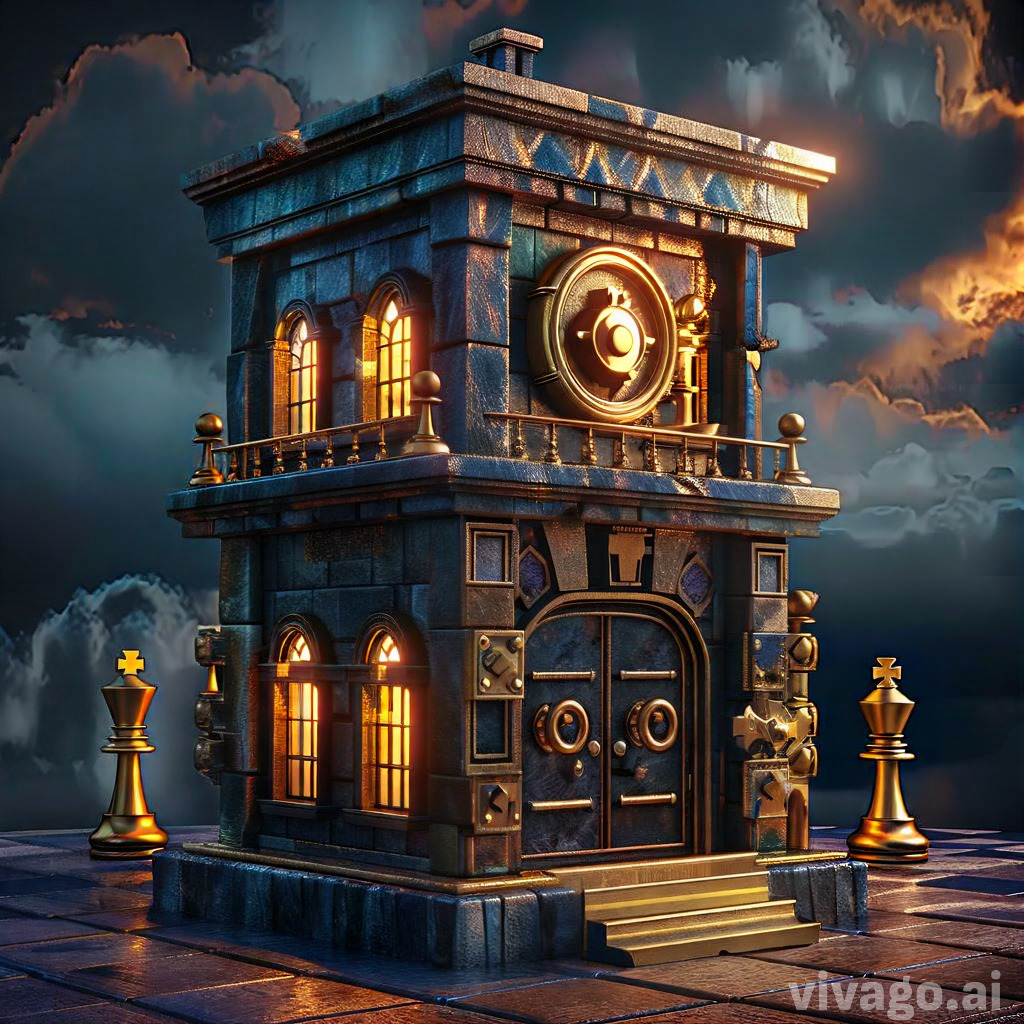
Board Visuals

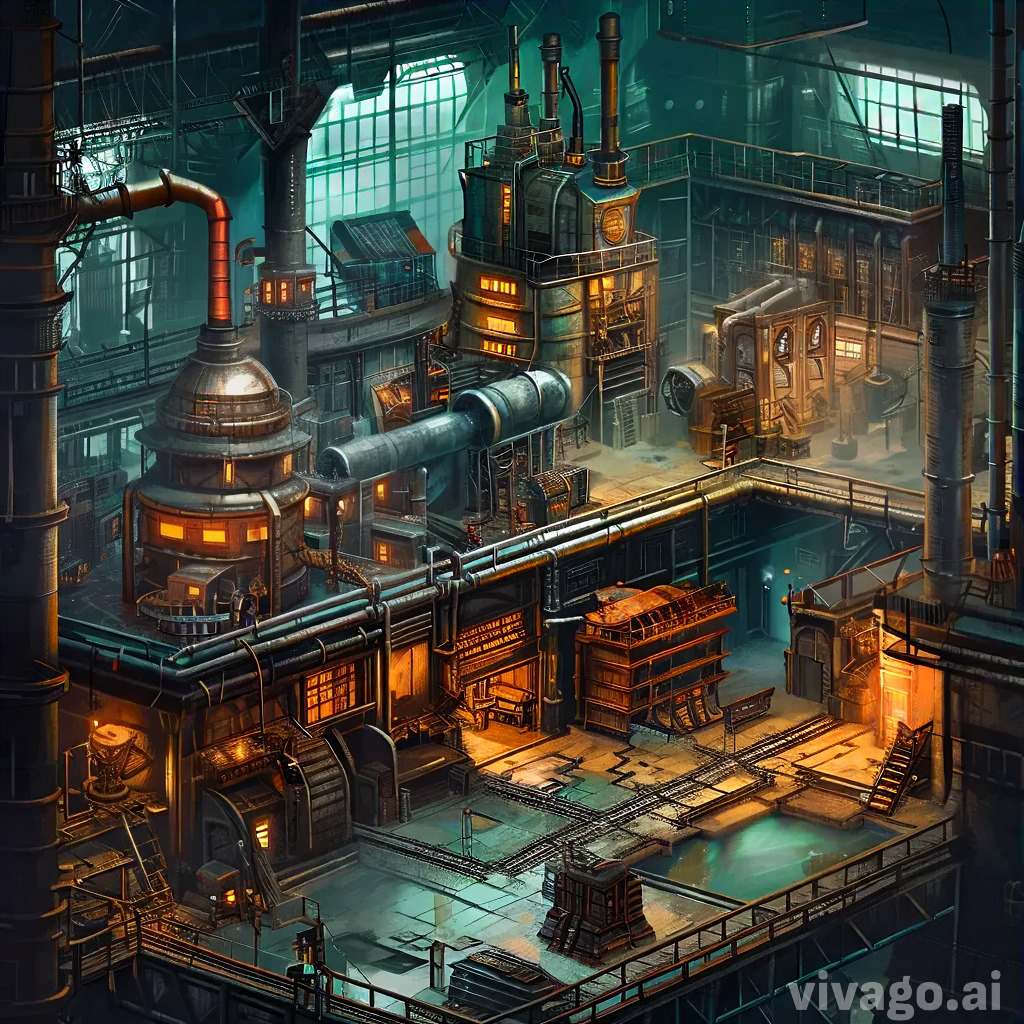
Visuals of the Board of the Game
Visuals of the Board of the Game
Strategically rule the underworld by trading, attacking, and selling.
Mafia Wars: The Prohibition is an engaging board game prototype set in the tumultuous era of the 1920s Prohibition, a time when the United States government enacted the 18th Amendment, banning the manufacture, sale, and transportation of alcoholic beverages. This period, from 1920 to 1933, gave rise to a vibrant and often violent underground economy, as organized crime syndicates stepped in to meet the public's demand for illegal alcohol.
Cities across the United States became battlegrounds for control over the lucrative black market for booze, with notorious figures like Al Capone in Chicago and Lucky Luciano in New York building criminal empires through bribery, extortion, and ruthless violence. Speakeasies, illicit bars hidden from the authorities, flourished as hubs of nightlife and culture, often protected by the very law enforcement officials tasked with shutting them down.
Prohibition inadvertently led to the professionalization of organized crime, with mafia families operating with military-like precision, employing bootleggers to smuggle alcohol, establishing clandestine breweries and distilleries, and creating a sophisticated network of corruption and influence.
Players take on the roles of influential mafia bosses, each with their own unique abilities and resources, strategically managing their resources, forming alliances, and outmaneuvering rivals to dominate the underworld by controlling key businesses such as speakeasies, gambling dens, and smuggling operations.
The game Mafia Wars draws inspiration from the intricate world of mafia operations, emulating the strategic depth and competitive nature of organized crime. Drawing elements from classic mafia tales, the game encapsulates the essence of power struggles, territorial control, and resource management.
The thematic backdrop is influenced by the prohibition era, where underground operations, production of illicit goods, and fierce battles for supremacy were prevalent. The game mechanics, including production structures, safehouses, and weapons, reflect the clandestine activities of the time.
Players must navigate through strategic decisions, alliances, and betrayals, mirroring the intense dynamics of mafia life. The game aims to provide an immersive experience, capturing the tension and excitement of becoming the most powerful mafia boss.
1) What: Build your criminal empire by producing, trading, and selling illicit goods while defending your territory and sabotaging rivals.
2) How: Utilize strategic planning to manage resources, deploy defensive and offensive measures, and navigate the black market economy.
3) Why: To become the most powerful and influential mafia faction in the city by gaining fame, wealth, and territory.
The game is set in the 1920s when Prohibition was a law in the United States, characterized by jazz music, underground speakeasies, and an illegal economy thriving on the selling of alcohol as well as contraband. The city looks like New York; it is full of life and opportunities, though this can be dangerous. The skyline is full of tall buildings while the streets are filled with luxurious theatres, hazy jazz halls, and dark alleys.
This gangster-ridden metropolis has been divided into sections ruled by different groups fighting each other to establish themselves as powerful figures within its depths. The story involves four immigrants who bring their skills and aspirations from their home countries to the illegal businesses they run. These individuals have come to America intending to find richness but instead, they become trapped within a criminal underworld.
Their purpose is establishing empires at the expense of their opponents, fostering alliances and deceptions as well as trying not to be caught by police.
Experience the thrill of building your empire, navigating the dangerous streets, and making deals in the shadows of the jazz age!
A) Marco Rossi ("The Chemist") (The Drug Dealer) (Sicily, Italy)
Marco Rossi grew up in the narrow streets of Palermo, where he was surrounded by the influence of the Sicilian Mafia. His father was a small-time pharmacist with a knack for chemistry, and Marco inherited his talent for concoctions. However, the family business struggled, and Marco turned to the local mob for work, quickly proving his worth with his skill in creating illicit substances. The allure of America drew him across the Atlantic. Arriving in New York, Marco found a city ripe with opportunity for someone with his skills. He quickly established himself in Little Italy through networking and manufacturing drugs. Using a genuine pharmaceutical shop as cover, Marco produces whatever drug from heroin to cocaine that may be trendy. He is meticulous and strategic, always staying one step ahead of the law and his competitors. Marco is methodical and intelligent, with a deep understanding of chemistry and a coldly calculating demeanor. He is loyal to those he considers family but ruthless to his enemies. His immigrant roots make him fiercely protective of his community but knows no bounds when it comes to ambition or greed.
B) Katarzyna Nowak ("Kat") (The Gun Runner) (Warsaw, Poland)
Katarzyna Nowak, popularly known as Kat, grew up in war-torn and politically unsettled Poland. Her family was involved in the resistance against the occupying forces and she learned how to handle weapons at a young age. The Nowak family fled to America after the war in search of safety as well as starting a new life. In New York’s bustling immigrant communities, Kat found that her skills were highly sought after. Kat’s initial involvement included smuggling guns for the Polish resistance within her homeland but she later saw more lucrative opportunities for herself in America’s underworld. She has established networks that import weapons from Europe and sell them to various criminal factions within the city. Her warehouses are located near the docks where she supervises delivery and distribution. With remarkable reliability and discretion, she has become an invaluable player in the underworld. She is resourceful and tough with a sharp mind for logistics and a down-to-earth attitude. She is very independent after having fought for everything she has; loyalty and integrity represent some of her most cherished values. Having encountered several life experiences she is suspicious of others yet once convinced she becomes an unwavering partner.
C) Lev Petrov ("The Dealer") (The Artifact Smuggler) (Odesa, Ukraine)
Lev Petrov came from Odesa, a town recognized for its lively trading and history steeped in culture. His relatives were esteemed sellers of antiquities with Lev growing up amidst priceless relics and historical items. After the upheavals of the Russian Revolution and the ensuing Civil War, Petrovs fled to America with a little bit of knowledge and a few precious things. In New York City Lev found a niche in stolen and smuggled artifacts on the black market. He developed relationships with corrupt officials as well as criminals, through which he facilitated the movement of valuable things from Europe and elsewhere. Lev operates out of a seemingly legitimate antique shop which is located in one of the most affluent neighborhoods in New York City that specializes in both legal sales and illegal dealings. His deep insight into art and history gives him an edge over other traders since he can easily make sound judgments. Lev is charmingly cultured with a taste for the good life. With enough understanding, he can be clever enough to maneuver through any complexities inherent within the black market industry. While he enjoys the thrill of the trade, he also harbors a deep respect for the artifacts he deals in, seeing himself as a protector of cultural heritage, although in a dubious manner.
D) Aisling O'Connor ("Ash”) (The Boot Legger) (Dublin, Ireland)
Aisling O'Connor or Ash as she is more commonly known, was brought up in the poor neighbourhoods of Dublin where her family operated a small bar. The O’Connors were forced to flee Ireland by the tough economic conditions and political upheaval. In New York City, Ash’s family tried to set up a legal business only for prohibition to throw them into disarray. Having learned brewing and distilling informally from her family’s pub, Ash saw an opportunity in the illegal booze market. Starting with limited homemade moonshine sold through speakeasies, her operations soon expanded. This entailed creating a supply chain for a variety of illicit products and services that she was offering. Ash's base is a hidden distillery located underground in one of the rundown buildings where she supervises the production and sale of different types of alcohol. Ash is hot-headed and strong-willed with a sharp tongue and assertive demeanour. She has immense pride in both her Irish heritage and America’s success story. Her entrepreneurial spirit drives her to take risks, and her natural leadership skills make her a force to be reckoned with. Her team members are like siblings since she treasures solidarity.
click on image to view it better
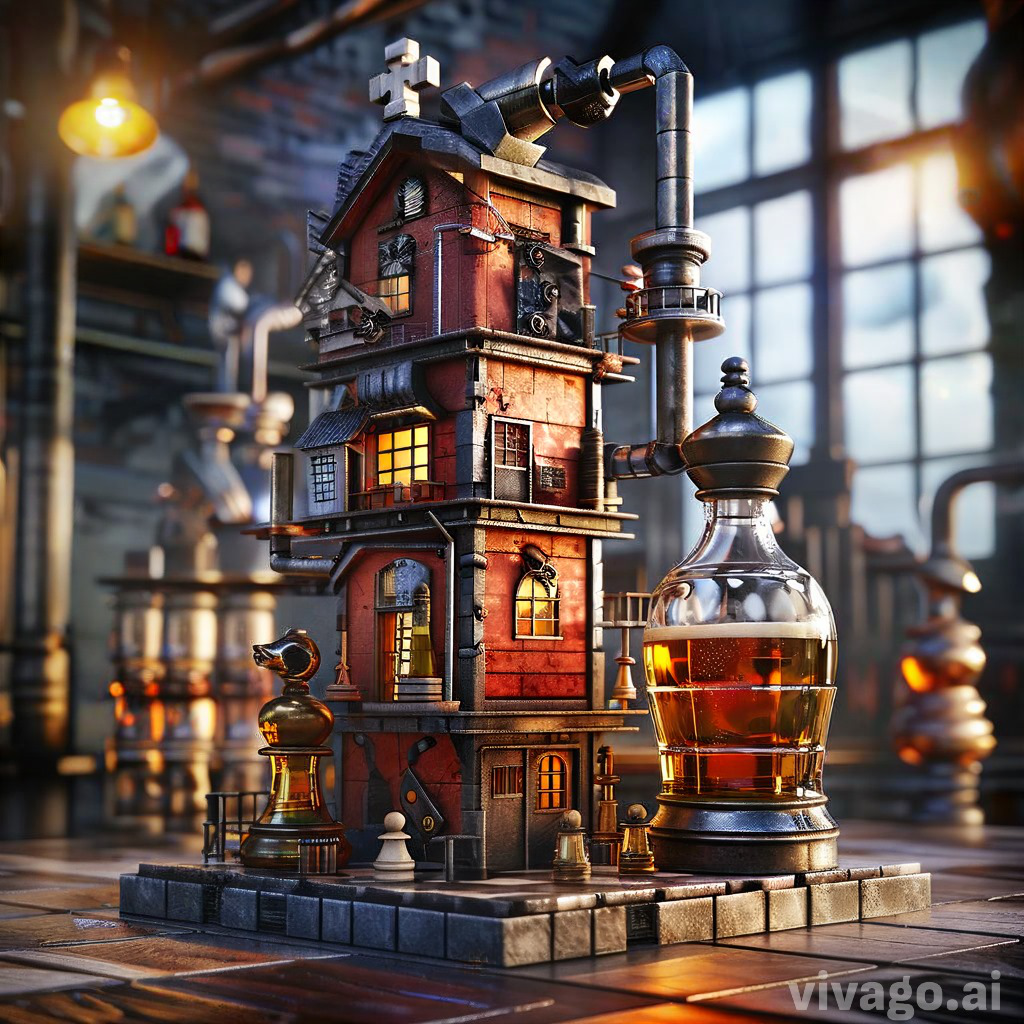
Produces batches of booze
Produces batches of drugs
Produces batches of artifacts
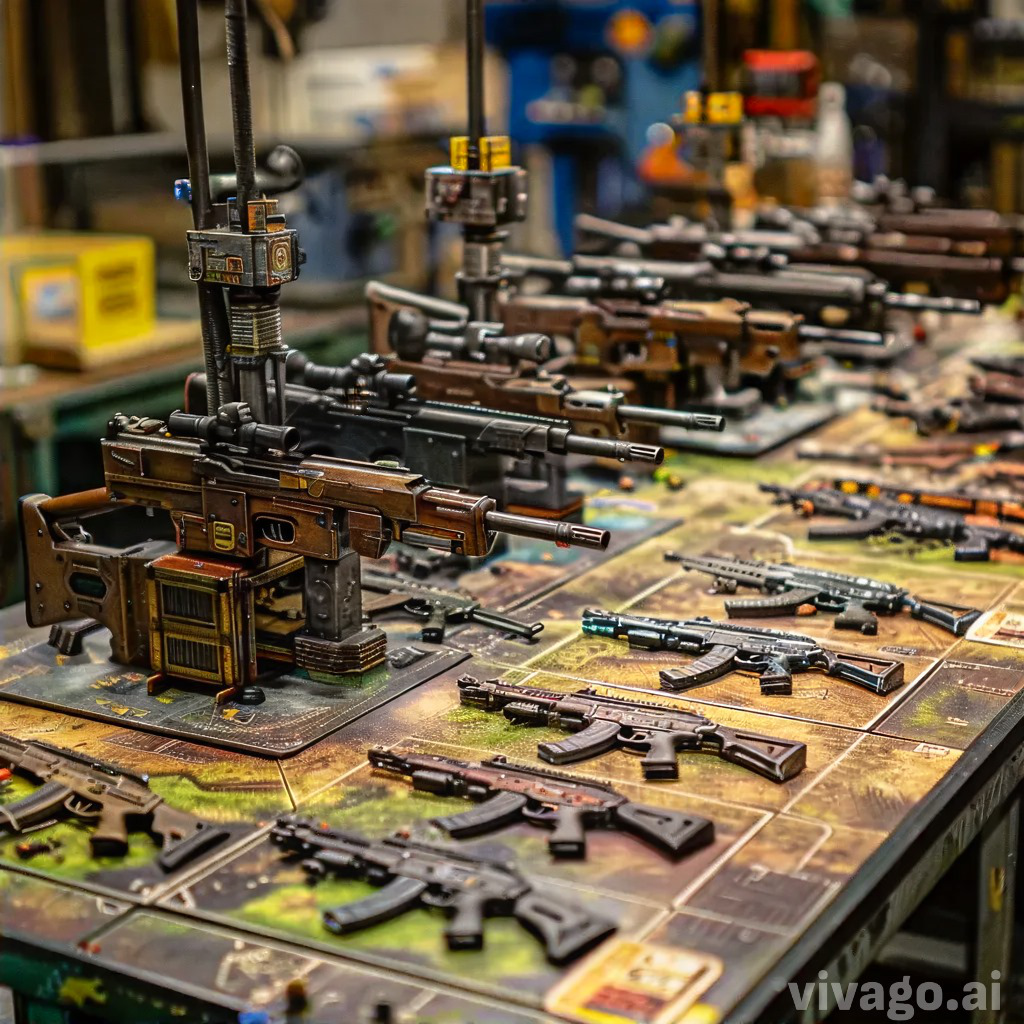
Produces batches of guns
Allows players to store batches of booze
Allows players to store batches of drugs
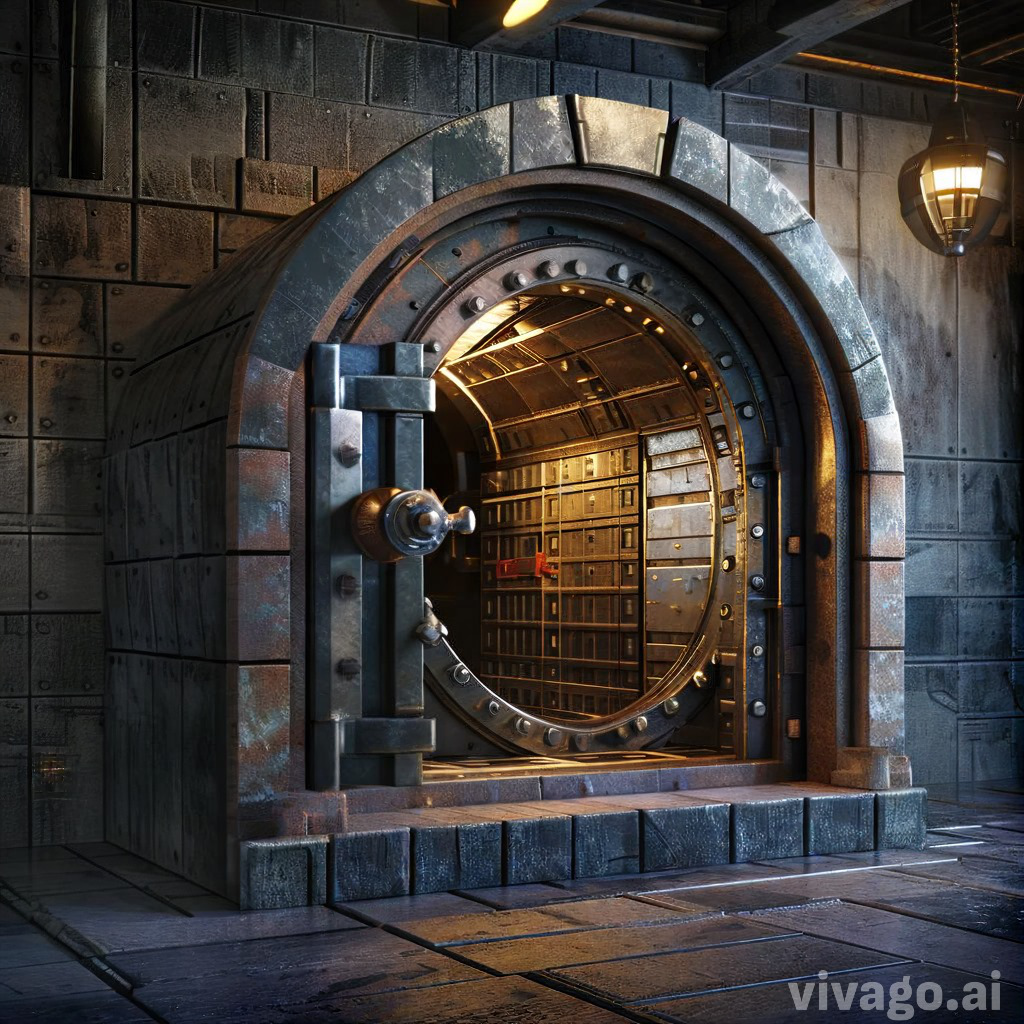
Allows players to store batches of artifacts
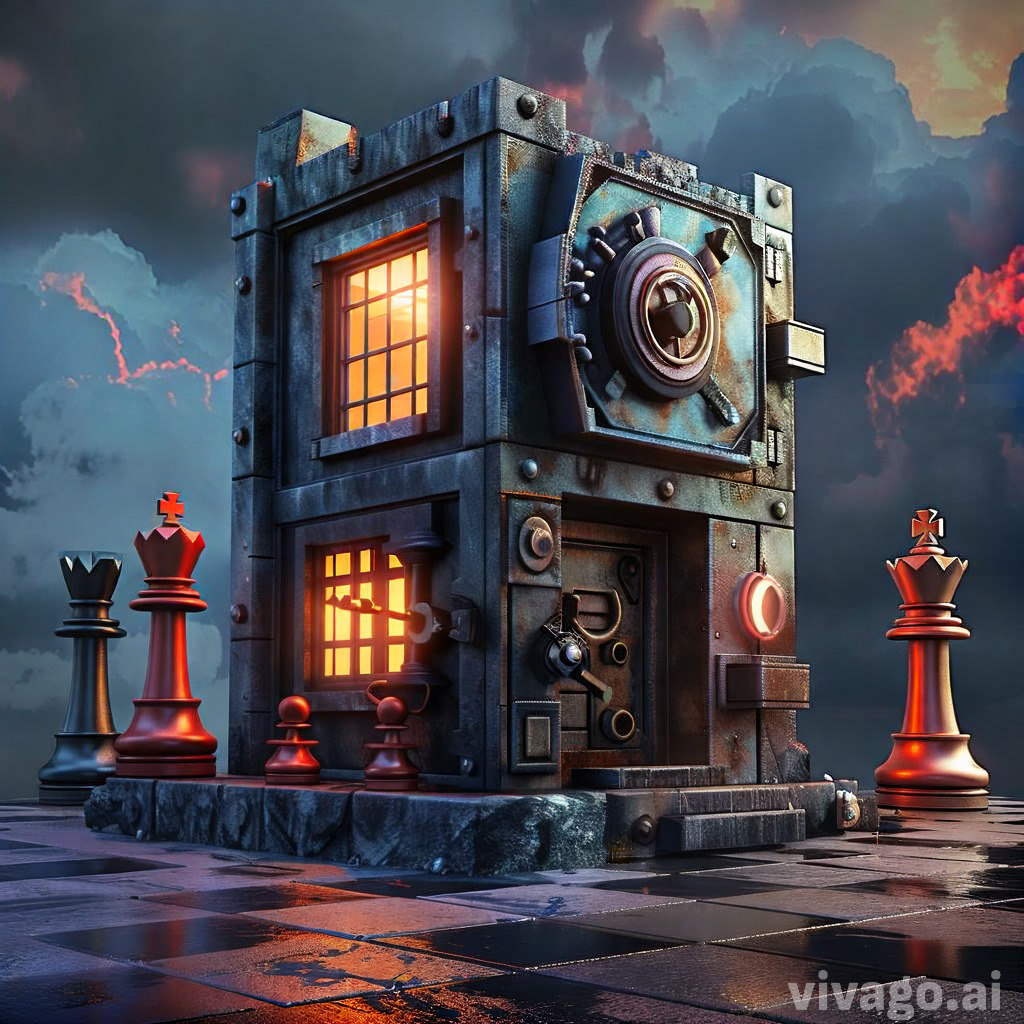
Allows players to store batches of guns

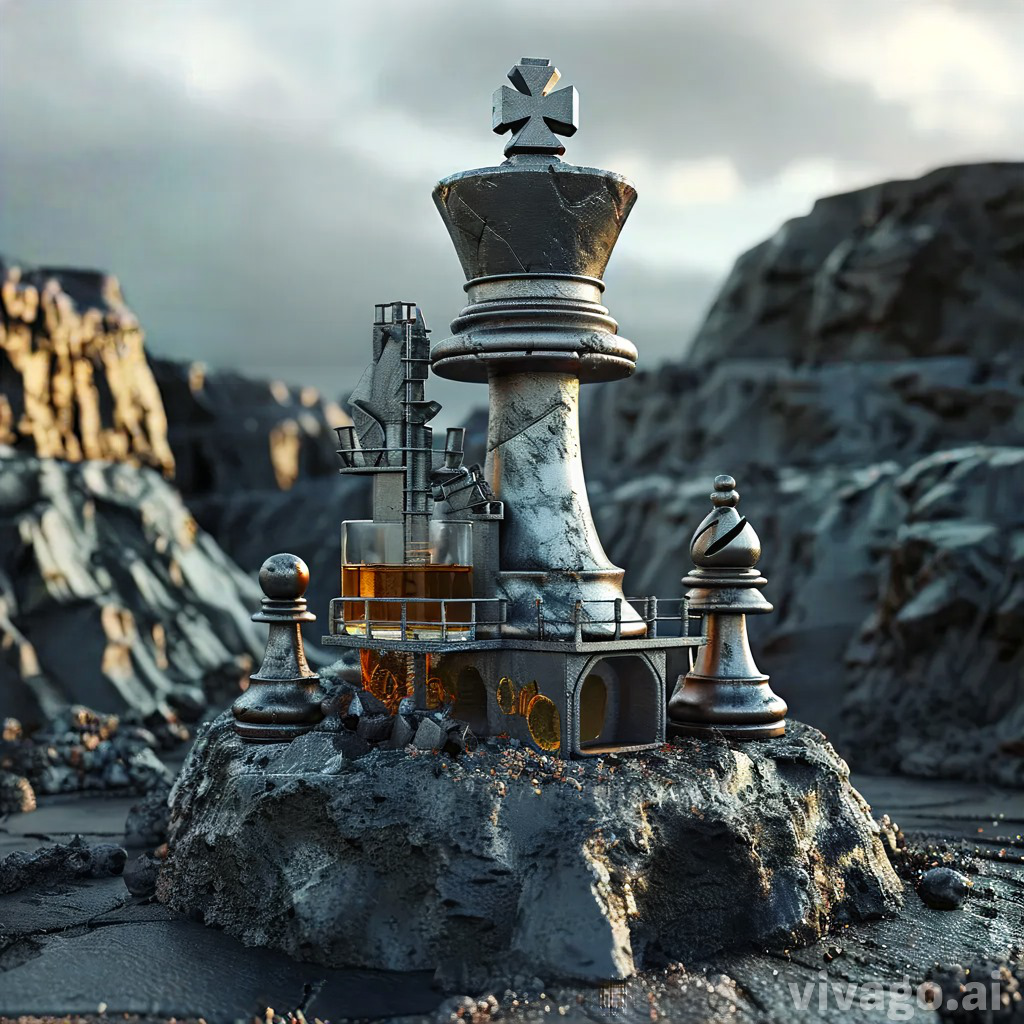
Protect two blocks (one to the right and one to the left of the structure)
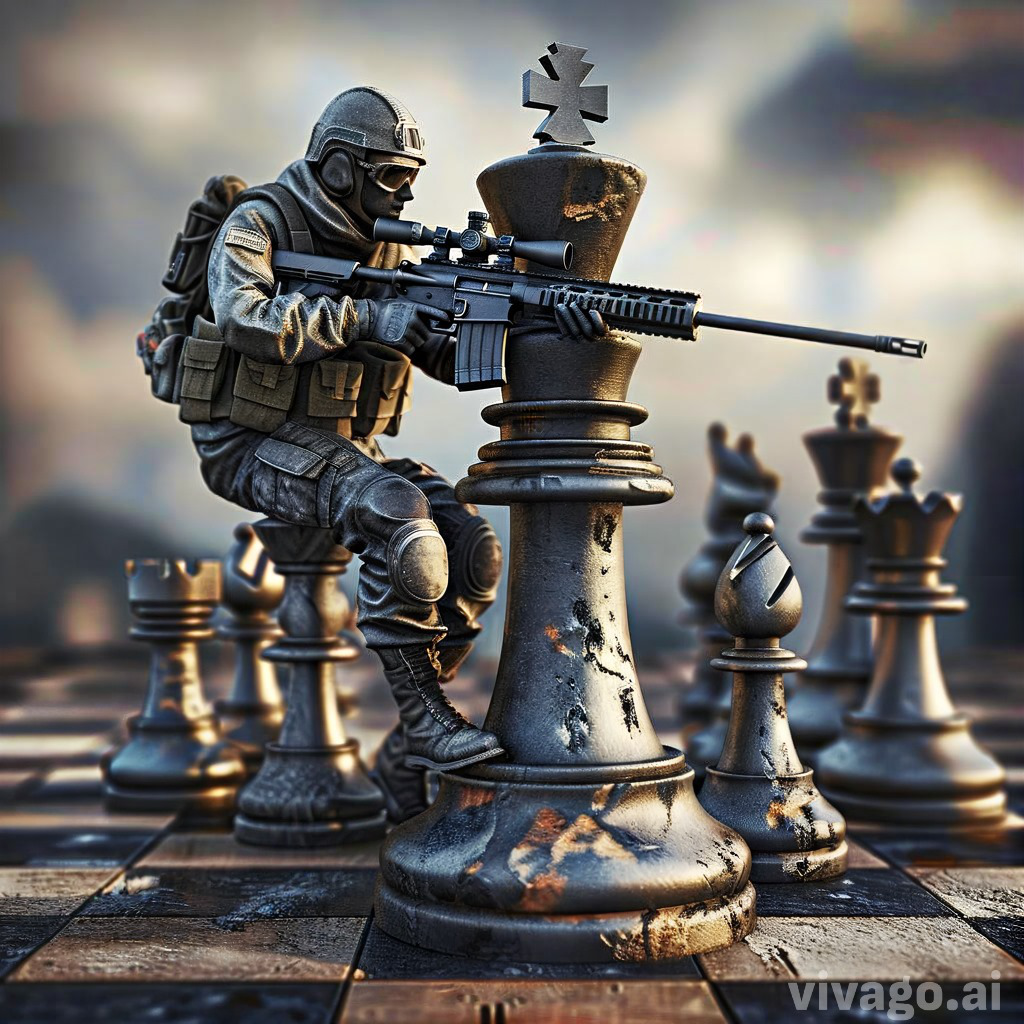
Attacks one space chosen by the player outside their territory
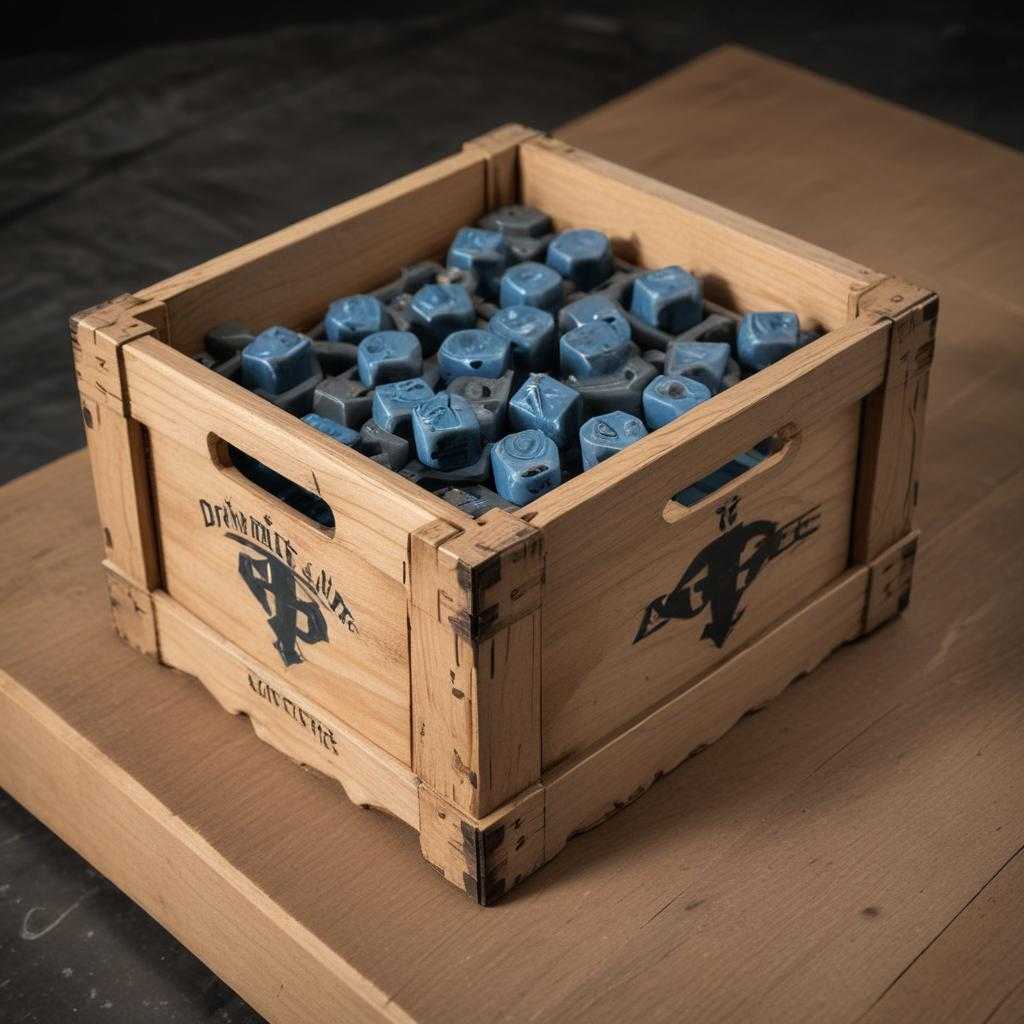
Allows player to destroy an opponent's one structure

Allows the player to set a bomb in one space of their choice
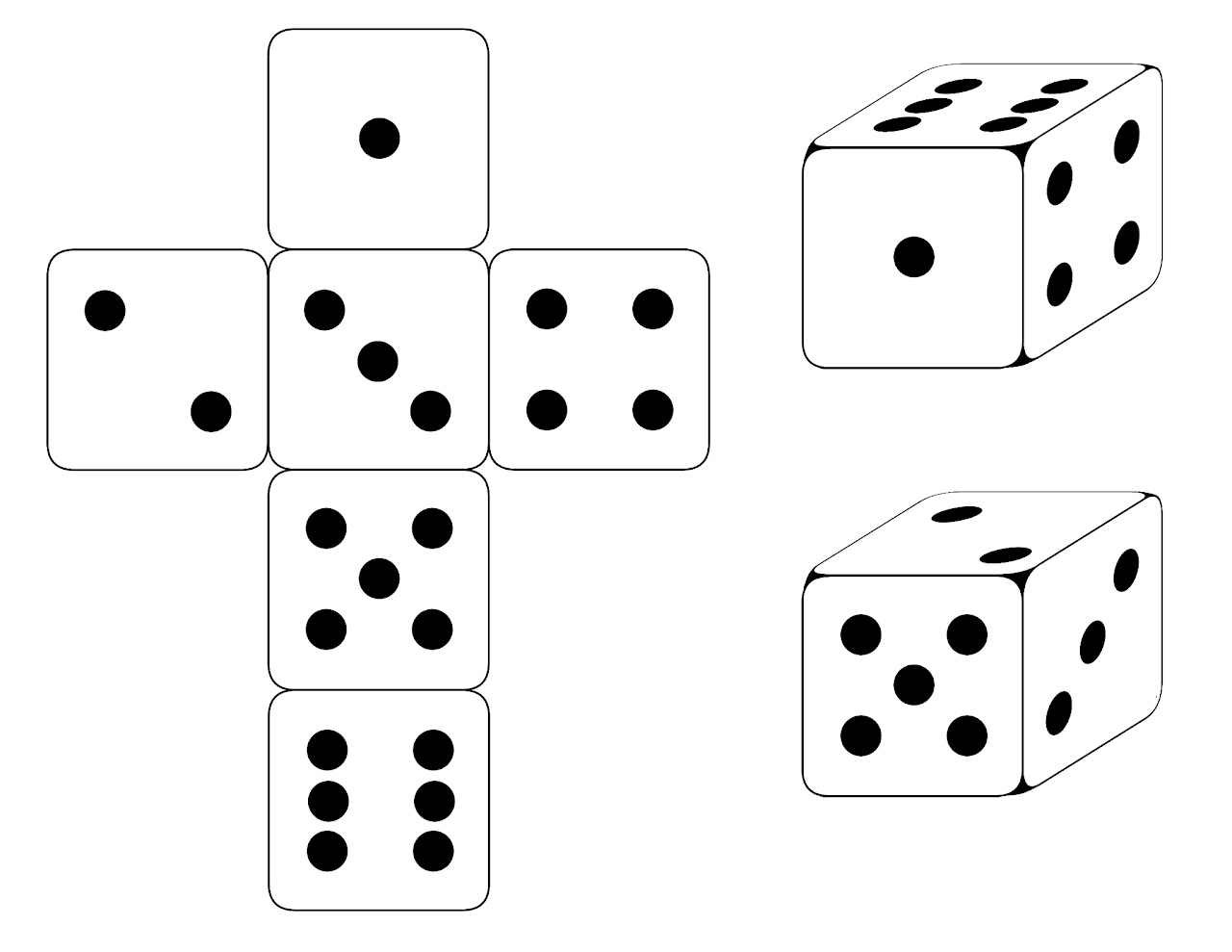
A 6 Sided Dice (Probability- 1/6) for each player to throw on his turn
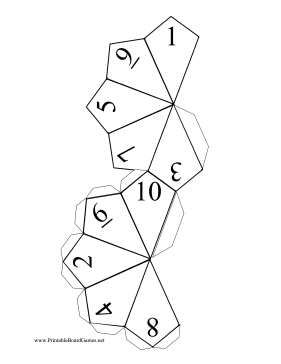
A 10 Sided Dice (Probability- 1/10) for each player to throw on his turn
A example of a Card (120 different valued cards like this would be there in the physical game)

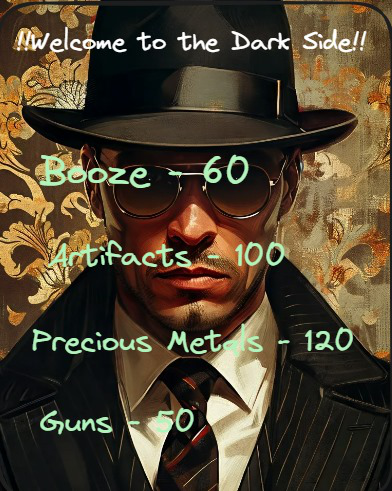
Allows the player to trade using this table with the market or other players

Allows the player to trade using this Chips with a specific value(money) with the market or other players
Welcome to the Underworld RuleBook, your ultimate guide to navigating the dark and dangerous world of organized crime. Whether you're a cunning mob boss, a ruthless enforcer, or a savvy bootlegger, this rulebook provides you with all the essential rules, strategies, and secrets you need to rise to power. Master the art of deception, build your empire, and outsmart your rivals as you delve into the thrilling life of crime. The underworld awaits—are you ready to rule it?
CLICK HERE FOR THE FULL RULEBOOKThis document compiles meeting logs from various sessions, offering insights into discussions, decisions, and action items. By documenting our interactions and outcomes, we aim to enhance team collaboration and ensure clarity and accountability in our project progress and planning.
CLICK HERE FOR THE FULL Meeting LogsFind the Flowchart below
CLICK ON THE IMAGE TO SEE A FULL CLEAR IMAGE OF THE FLOWCHART OR


This document presents a quantitative analysis of game balance, providing an in-depth review of various game mechanics and their impact on player experience. By examining data and identifying trends, this analysis aims to offer valuable insights for optimizing game design and ensuring a fair and engaging gameplay experience.
CLICK HERE FOR THE FULL AnalysisThis document presents a Game Dynamics, providing an in-depth review of various game dynamics and their impact on player experience.
CLICK HERE FOR THE FULL Game DynamicsTrade-offs:
A) The players may be left with the option of taking actions that will result in immediate benefits or rewards, for example making and selling large amounts of goods to get money quickly or investing in the security and storage of these goods for long-term stability. Overproduction without sufficient storage or defense could expose players to theft as well as sabotage.
B) It is a critical trade-off between allocating resources to offensive structures (e.g., dynamite crates for destroying opponent structures) or defensive ones (e.g., Tommy gun nests for protecting their structures). A too-aggressive strategy may leave a player’s holdings unprotected.
C) They must choose between constructing new buildings, upgrading existing ones, or saving cash for later opportunities. Each option has positive repercussions in terms of productivity capacity, storage space availability, and general game progress both immediately and over time.
Dilemmas:
A) The safehouse is always a restricted space, and when its limits are reached players must abandon some goods or turn over a round to sell them to avoid failure at the market and loss of fame. This creates tension between maximizing production on the one hand and managing risks on the other.
B) Indebted players are caught in a dilemma of whether to surrender their rounds to promote other factions or not. This action can reduce the debt/s they owe but will also lead them to lose fame. This creates a compromise between financial stability and keeping the fame obtained in the rounds before which must be carefully considered before deciding.
C) The decision of where and when to sell commodities is filled with uncertainty because of market volatility as well as travel hazards. They should put potential profits against chances of failure and lost rounds particularly when selling to far-off markets.
Sacrifices:
A) Trading a round to dismantle will give the player 50% of a structure’s initial cost which provides instant cash but cuts long-term capabilities. One must weigh the immediate financial benefit against the loss in production and defense.
B) It is possible for substantial rewards to come from giving up goods or reputation to sabotage or steal from others, yet that happens with considerable risk if it fails. Any attack is a calculated gamble because every failed attempt is a loss in fame and a wasted round.
Risks and rewards:
A) Using dynamite crates or attacking heavily fortified structures are very dangerous and can yield high payoffs. If they are successful, it can break the opponents’ backbone and bring lots of fame, but if they fail, it may result in huge setbacks.
B) Investing in high-level production and storage would greatly help players increase their capabilities simultaneously, yet they require a substantial upfront amount. The trick is to collect enough resources for these investments without leaving oneself vulnerable to attacks.
C) Engaging with the market brings in some risk where players can either benefit from a good chunk of money or face price cuts that are dictated by the market. Every deal is left in the hands of market cards which cannot be anticipated.
1) The total game lasts for a varied time between 1 hr to 2 hrs. It is dependent on the experience level of the players. The first-time players take more time in taking turns as compared to the experienced players.
2) Each turn takes 30 seconds to 60 seconds depending upon the progress of the game. In the beginning, players take less time to decide as a smaller number of options are available to them, but as the game progresses, the number of options starts increasing in the game.
A) Police raids:
I) Happens by chance or as a result of certain actions. To determine the result of a raid, roll dice. Potential results include production being temporarily stopped, goods being confiscated, or loss of reputation.
B) Avoiding police:
I) Create cover-up stores to minimize the chances of a raid. Use a round to bribe the police (paying money to evade punishment).
C) Cover-up shops:
I) Speakeasy: Hides alcohol production and generates additional income.
II) Pawn Shop: Hides artifact production and generates additional income.
III) Cafe: Hides drug production and generates additional income.
IV) Gun Shop: Hides gun production and generates additional income.
D) Building cover-up shops:
I) It is expensive to build and takes a round. It has ongoing benefits and protects against police attacks.
E) Character specialization:
I) At the beginning of the game, players must choose a specialization. Specialization gives production bonuses for all goods belonging to it.
F) Forming alliances:
I) During each player’s turn they can form alliances. Share with your allies any specialization bonuses that you get. These alliances may be broken by agreement between two sides or some actions.
G) Alliance benefits:
I) Shared production bonuses.
II) Enhanced trading opportunities.
III) Collective defense against attacks and police raids.
Welcome to the world of mafia, guns, booze, and drugs. Dive into an epic adventure where you rule the underworld.
These references were used to compile a comprehensive overview of the Mafia Wars Game's rules, gameplay features, and inspiration.